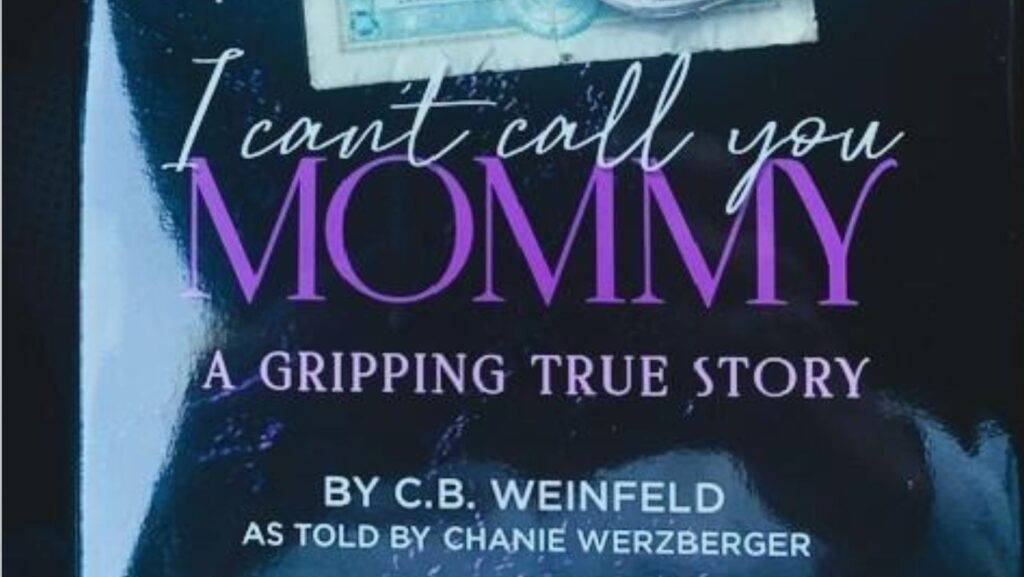
It began with a story in Ami Magazine —a serialized tale that would later become the published book “I Can’t Call You Mommy”—and a call that demanded attention. Danielle Karp had been reading the magazine’s installments following the life of Chanie Werzberger, who was addressing end-of-life complications regarding her own mother, who wanted to be cremated rather than receive a proper Jewish burial. Ms. Werzberger was guided by Rabbi Yona Lunger as she struggled to ensure a proper burial for her dying mother.
At the same time, Danielle’s husband, Dr. Martin Karp, was facing a similar problem with a relative and reached out to Rabbi Lunger to receive guidance and assistance. Had Danielle not been following the story, it is not likely that Rabbi Lunger’s assistance would have materialized. In the end, a proper Jewish burial was achieved for both the subject of the book “I Can’t Call You Mommy” and for Martin Karp’s relative.
As someone deeply connected to Miami’s Jewish community through his work at Talmudic University-affiliated schools, Dr. (Meir Shlomo) Karp understood the importance of ensuring religious customs were properly honored. The moment revealed something central to Martin: reading isn’t just a pastime—it can inspire tangible acts of service and reflection. For him, literature provides a bridge between empathy and action, turning the lessons on the page into meaningful deeds in the community.
A Household Built Around Books
In the Karp household, the influence of stories is impossible to miss. Martin’s sons regularly select stories and novels, discovering titles that often make their way to the dining room table. Danielle, for her part, reads books and follows serialized stories, discussing each installment with her husband and children.

“To me, it wasn’t about the book they chose,” Martin says. “It was about developing a love for reading.” More than just entertainment, the Karps treat books as tools for curiosity, conversation, and understanding. This daily engagement reflects a household in which literature shapes values and guides attention toward the world beyond their home.
When Stories Spark Action
The story from I Can’t Call You Mommy soon came to life beyond the page. It prompted the Karp family to act, showing Martin’s belief that literature transforms lives both personally and professionally.
When faced with the loss of a family member who had no next of kin, Martin transformed empathy into service. His background in Jewish educational institutions gave him both the knowledge and sensitivity to offer meaningful assistance in such difficult circumstances. This moment illustrated a broader philosophy: reading opens doors to opportunities and actions one could never anticipate. Further, stories can prompt reflection, inspire empathy, and motivate people to take steps they might not otherwise consider.
Teaching With the Reader in Mind
Before leading policy, Martin Stewart Karp was a teacher. His work helping students find books they love shaped his understanding of how stories influence growth, confidence, and imagination. He recognized early on the vital role librarians play in connecting students with materials that resonate, and maintained his own classroom library with hundreds of books in a reading corner where reading logs were kept, and a system for checking out books was created.
Martin brings that same thoughtful, service-oriented mindset to every challenge he faces. The story that moved his family mirrors his educator’s approach—compassionate, deliberate, and focused on guiding others toward discovery and understanding.
Advocacy Through Literature
Dr. Karp carries this perspective into community leadership. His policy work ensures that libraries and reading programs have the support they need to nurture curiosity, ignite passions, and foster lifelong learning.
Martin consistently emphasizes the practical and transformative power of reading, showing how it can shape opportunities for young people and entire communities. By blending professional advocacy, family engagement, and responsiveness to literature, he demonstrates that leadership informed by reading has a profound, lasting effect.
A Life Shaped by Stories
Dr. Martin Karp’s life shows that literature is far more than entertainment. From family routines to policy decisions, stories inspire empathy, action, and leadership. His work proves that reading can shape character, inform judgment, and strengthen communities.
For more information about I Can’t Call You Mommy or to read the full story that moved the Karp family to action, visit Google Books, Amazon, and Goodreads.